
A Journey to Answers After Two Years of Unknowns — Robin and John’s Story
Read Robin and John's story below.
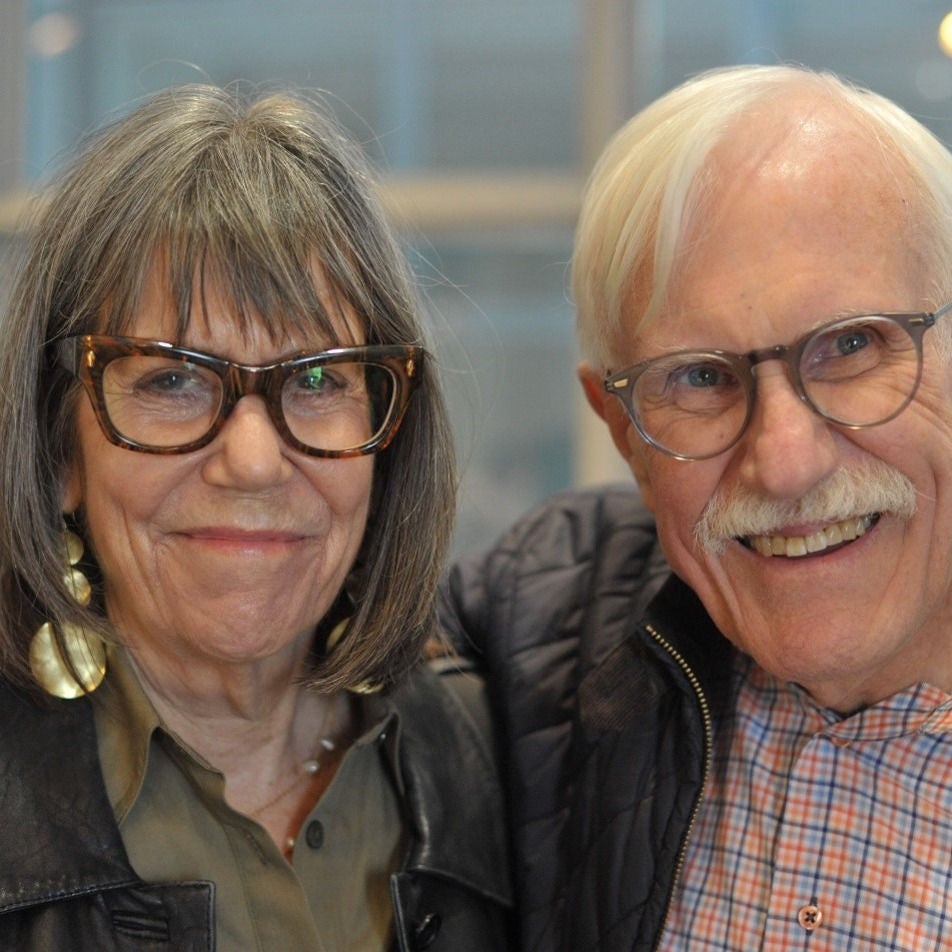
It was a cool, overcast morning in Monterey, Calif. Robin had been looking forward to this trip with her niece, who was visiting from Germany. And it was a welcome visit as Robin had been caring for her husband, John, helping him recover after a fall.
That day, the three of them planned to go on a whale-watching tour, but John decided to stay back at the hotel because he felt tired. As Robin and her niece waited in line to board the boat at the wharf, Robin’s phone rang. John had fallen again and paramedics were taking him to the hospital.
Early Warnings: A Family Legacy of Heart Health Issues
The first sign of trouble was nine months earlier. Life was everything Robin and John had worked for. They were newly retired and spent their time birdwatching, gardening, and hiking around their picturesque San Francisco Bay Area neighborhood.
One day, on one of their walks, John fell and broke his clavicle. He thought he tripped, but now looking back, Robin thinks “that was the start of John falling and not knowing why…It was a hell realm. They would test his heart, EKGs, EEGs, CT scans, echocardiograms, all those standard means of testing. None showed anything wrong with his heart. So, you can see how insane it was that he kept falling,” Robin says. At the time, nothing clearly connected his symptoms to a heart rhythm problem.
In addition to his falls, John had a complex medical history that included other conditions and procedures. He continued to feel worse and worse over the course of two years. And Robin’s concerns compounded.
For nearly two years, they cycled through emergency rooms, specialists, and tests—without a clear explanation for what was happening.
Shortly before Thanksgiving, John had one of his episodes where he felt weak, dizzy, confused, and fainted. He was unresponsive for 15 seconds. Fearing it was a seizure, Robin called 911 immediately, and they went to the ER.
The emergency room staff found no significant abnormalities on an echocardiogram to explain the symptoms. Just before discharge, they prescribed the Zio® AT service to him. As part of the service, he wore a heart monitoring device that captured continuous uninterrupted recordings of his heart rhythm.
Insights from the Zio® service
Six days after wearing the device, John had another bout of nausea, dizziness, and confusion, and was taken to his doctor. His cardiologist reviewed the heart rhythm data captured by the Zio® monitoring service.
The data showed that John’s heart rate had slowed to 30 beats per minute. This slow heart rhythm, a type of arrhythmia known as bradycardia, occurs when the heart beats too slowly to supply the body with enough blood. It was the answer John and Robin had been looking for. After months of fear and unanswered questions, the relief was overwhelming.
“It felt like I won the lottery,” Robin recalls. “I felt so much relief and happiness and excitement because we finally got an answer.”
Two days later, John underwent a one-hour procedure to implant a small pacemaker. Today, he no longer has spells of dizziness or nausea.
John says, “I’m happy I’m feeling well. Finally.”
“Just an older man who’s aging well”
Robin often reflects on the two years of worry and is grateful John was prescribed the Zio AT service. This entire experience has given her a new perspective. Robin now understands how easily symptoms of an arrhythmia can be misunderstood. She now encourages others not to dismiss subtle concerns about their heart health and to seek answers when symptoms don’t make sense. “The heart is the heart of our life,” she says. “So why not pay attention and take care of it?”
Especially since she’s seen how John is back to doing things he thought he would have to give up: baking, going on walks together, truly enjoying retirement.
“Now, he's just an older man who's aging well. Isn’t that the dream?”
We believe your story matters.
Do not use Zio AT for patients with symptomatic episodes where variations in cardiac performance could result in immediate danger to the patient or when real-time or in-patient monitoring should be prescribed.
The Zio AT device is not intended for use in critical care patients because the reporting timeliness is not consistent with life-threatening arrhythmias such as ventricular fibrillation. Refer to Zio AT Clinical Reference Manual for additional information.
Individual results may vary. Patient testimonials reflect personal experiences and may not represent typical outcomes. This service may not be appropriate for every patient. Please consult a healthcare professional for advice specific to your medical condition.