
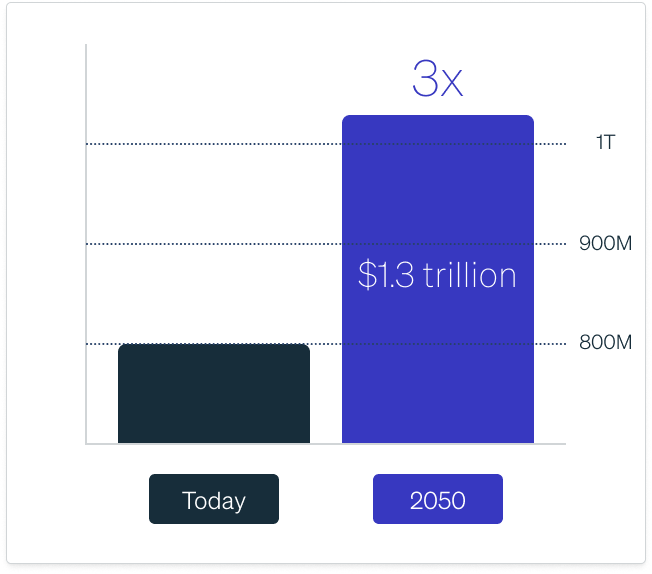
By 2050, cardiovascular-related factors alone will cost the U.S. over $1.3 trillion annually, more than triple today’s burden. Without early detection and proactive management, the cost of inaction could exceed $2.2 trillion each year, underscoring the urgent need for scalable prevention strategies.2
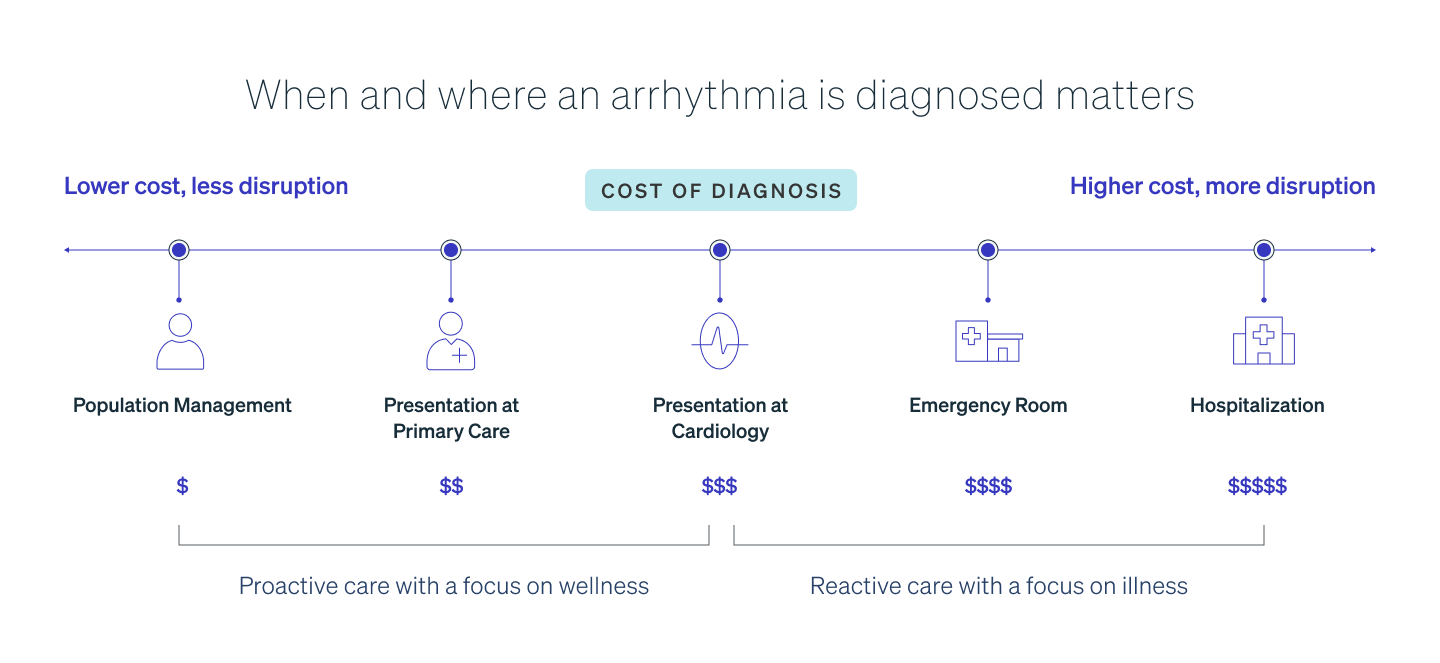
Helping care teams identify heart rhythm conditions earlier in the care journey
Value-based care organizations are redefining proactive population health. iRhythm’s cardiac arrhythmia detection programs support the identification of previously undiagnosed heart rhythm conditions across your population - enabling more informed care decisions and helping align with quality and cost management goals.

The challenge
Why it matters
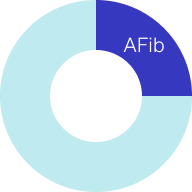
Undiagnosed arrhythmias carry silent but significant risks:



The iRhythm impact
Transforming the way cardiac arrhythmias are diagnosed.
Zio® long-term continuous monitoring (LTCM) helps transform population health programs by enabling earlier arrhythmia detection, which may support improved outcomes while reducing costly hospital utilization.
The power of partnership

The iRhythm service delivers high-impact cardiac monitoring solutions, while Heartbeat Health’s12 virtual cardiology practice provides comprehensive diagnostics and care planning. From advanced arrhythmia detection to virtual cardiology expertise, our teams empower you to enhance care, streamline workflows, and drive results.
Scale and expertise
With over 12 million patient reports processed and 2 billion hours of curated heartbeat data, iRhythm delivers unmatched clinical insight and reliability across diverse care models.


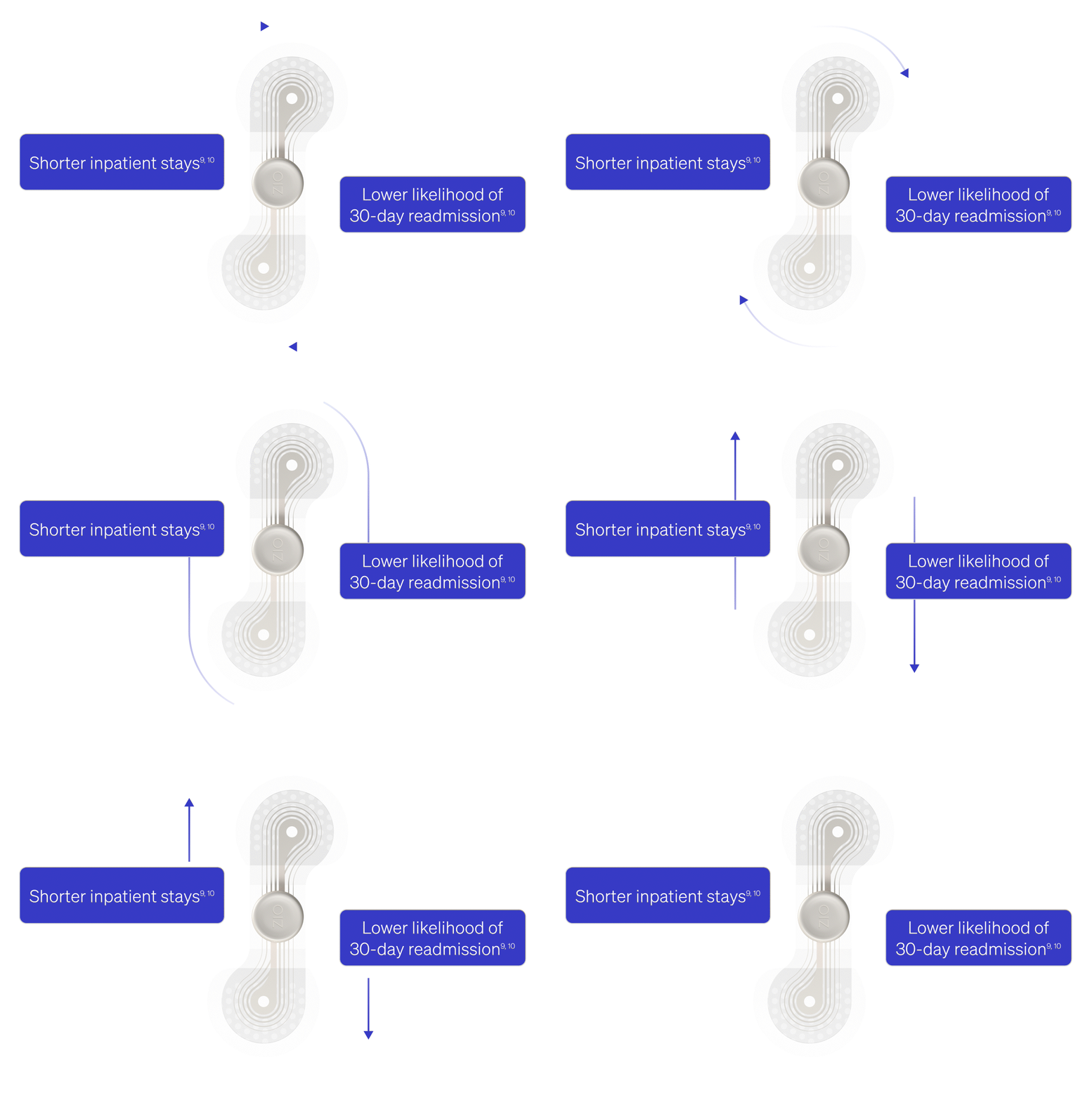
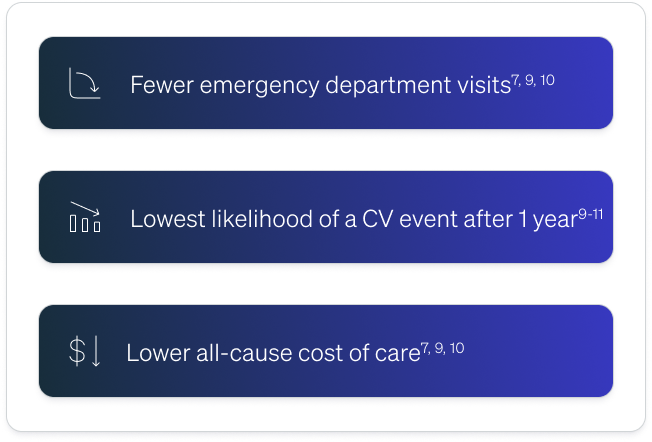
Real world clinical and economic studies show Zio LTCM is associated with:

iRhythm and Lucem Health Partner to Introduce Predictive AI Solution for Early Detection of Arrhythmias in Patient Populations with Comorbid Conditions.
Ready to reduce risk and reimagine population health outcomes?
Connect with our Value-Based Care Team.
- American Heart Association. Cardiovascular Disease CVD Fact Sheet. 2025. Available at: https://newsroom.heart.org/facts/cardiovascular-disease-cvd
- American Heart Association. Forecasting the Economic Burden of Cardiovascular Disease
and Stroke in the United States Through 2050. Circulation. 2023;147:eXXX eXXX. Available at: https://www.ahajournals.org/doi/10.1161/CIR.0000000000001122 - Turakhia et al. Contemporary prevalence estimates of undiagnosed and diagnosed
atrial fibrillation in the United States. Clinical Cardiology. 2023;46(5):484 493. doi:https://doi.org/10.1002/clc.23983 - Alkhouli et al. Burden of atrial fibrillation associated ischemic stroke in the United States. JACC: Clinical Electrophysiology.
2018;4(5):618 625. doi:10.1016/j.jacep.2018.02.021 - Joglar et al. 2023 ACC/AHA/ACCP/HRS guideline for the diagnosis and management of atrial fibrillation: a report of the American College of Cardiology/American Heart Association Joint Committee
on Clinical Practice Guidelines. Circulation. 2024;149:e1 e156. doi: 10.1161/CIR.0000000000001193 - Heidenreich et al. Forecasting the Impact of Heart Failure in the United States: A Policy Statement From the American Heart Association.
Circulation: Heart Failure. 2013;6(3):606 619. doi:https://doi.org/10.1161/hhf.0b013e318291329a - Reynolds et al. Comparative effectiveness and healthcare utilization for ambulatory cardiac monitoring strategies in Medicare beneficiaries. Am Heart J.
2024;269:2534. https://doi.org/10.1016/j.ahj.2023.12.002 - The study is based on the previous generation Zio XT device data. The devices used in the Zio LTCM monitoring service are deemed substantially equivalent. Additional data on file.
- Zio LTCM service refers to Zio XT and Zio monitor service.
- Russo et al. Assessment of variation in ambulatory cardiac monitoring among commercially insured patients. Am J Manag Care. Published online August 13, 2025. doi:10.37765/
ajmc.2026.89782 - CV events are defined by the study protocol.
- iRhythm performs ambulatory cardiac monitoring services. Heartbeat Health is a third-party that provides ordering, diagnostic and interpretation services.
- Data on file. iRhythm Technologies. 2026.
- Data on file. iRhythm Technologies, 2024.
- Data on file. iRhythm Technologies, 2023.
WEB0015.03