

Many conditions present with symptoms similar to those of cardiac arrhythmia, making symptom-rhythm correlation important for accurate diagnosis.3
See Beyond Symptoms
A new publication in Heart Rhythm examines the relationship of symptom frequency and symptom-rhythm correlation to arrhythmia type and detection. Short-term (24–48 hour) monitoring, such as Holter monitoring, may miss clinically actionable events — even in patients with frequent or daily symptoms.1

Key takeaways1,2
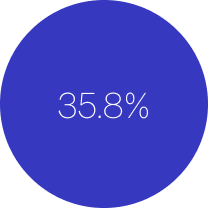
- 35.8% of patients had an actionable arrhythmia detected within the ≤ 14-day wear period.
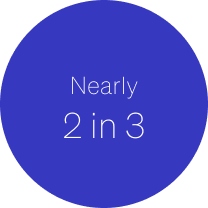
- In patients with frequent button presses, 64% of arrhythmias appear after 48 hours — beyond the window of short-term monitoring, which may miss clinically meaningful events.
- Whether patients feel symptoms daily or rarely has no to little bearing on when arrhythmias were detected.
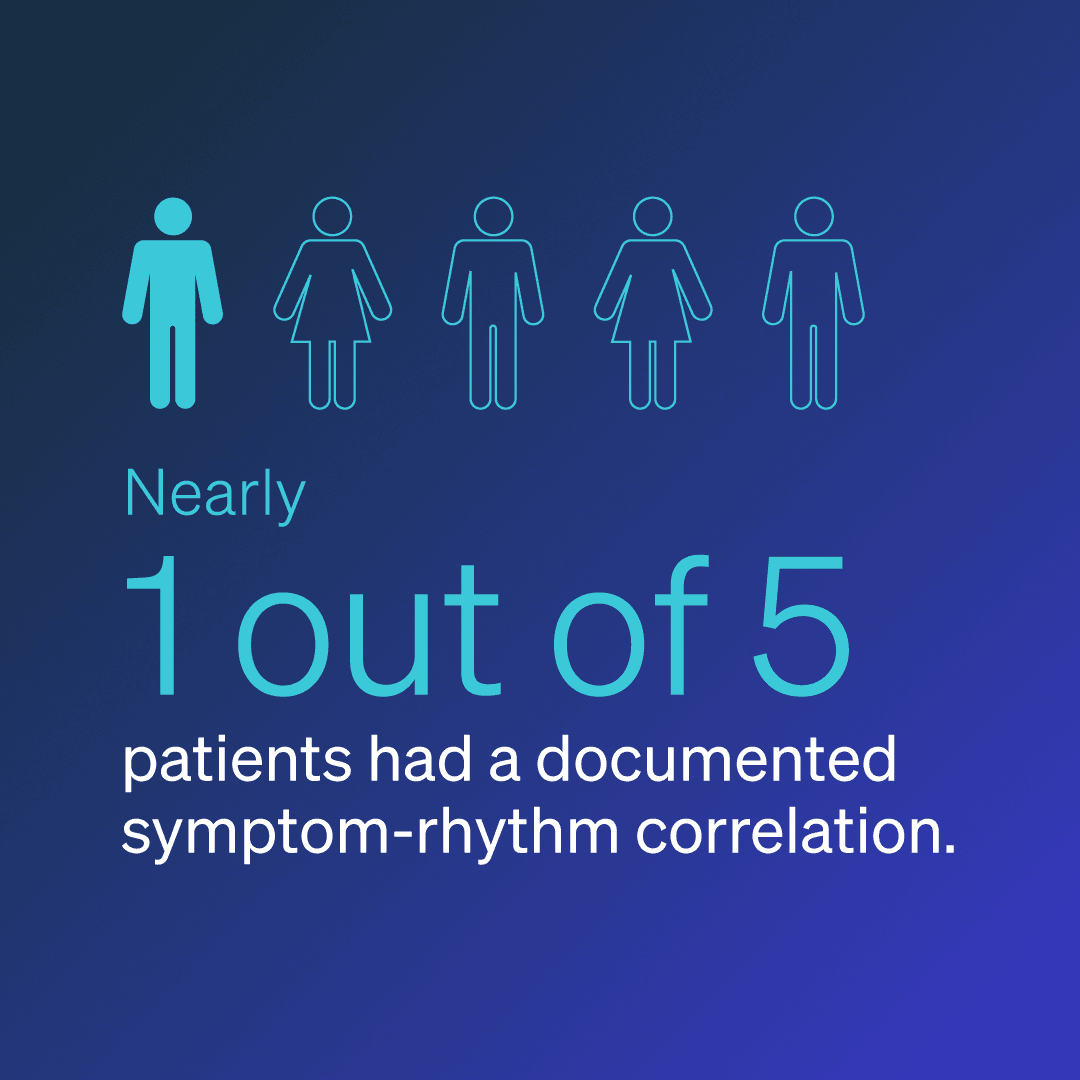
- Only 18% of arrhythmias were aligned with a symptom — many arrhythmias occur silently and are not associated with symptoms.
Actionable arrhythmia yield
In patients with frequent button presses
Symptom-rhythm correlation
Symptoms don’t reliably predict arrhythmias
Symptoms such as palpitations, dizziness, and fainting are typical but often unpredictable and transient. Patients with frequent symptoms were not more likely to have earlier arrhythmia detection. Longer-term monitoring may improve diagnostic yield.1

Symptoms can be misleading
Symptom-rhythm correlation was low, occurring in less than 20% of patients with arrhythmias1,2
All patients
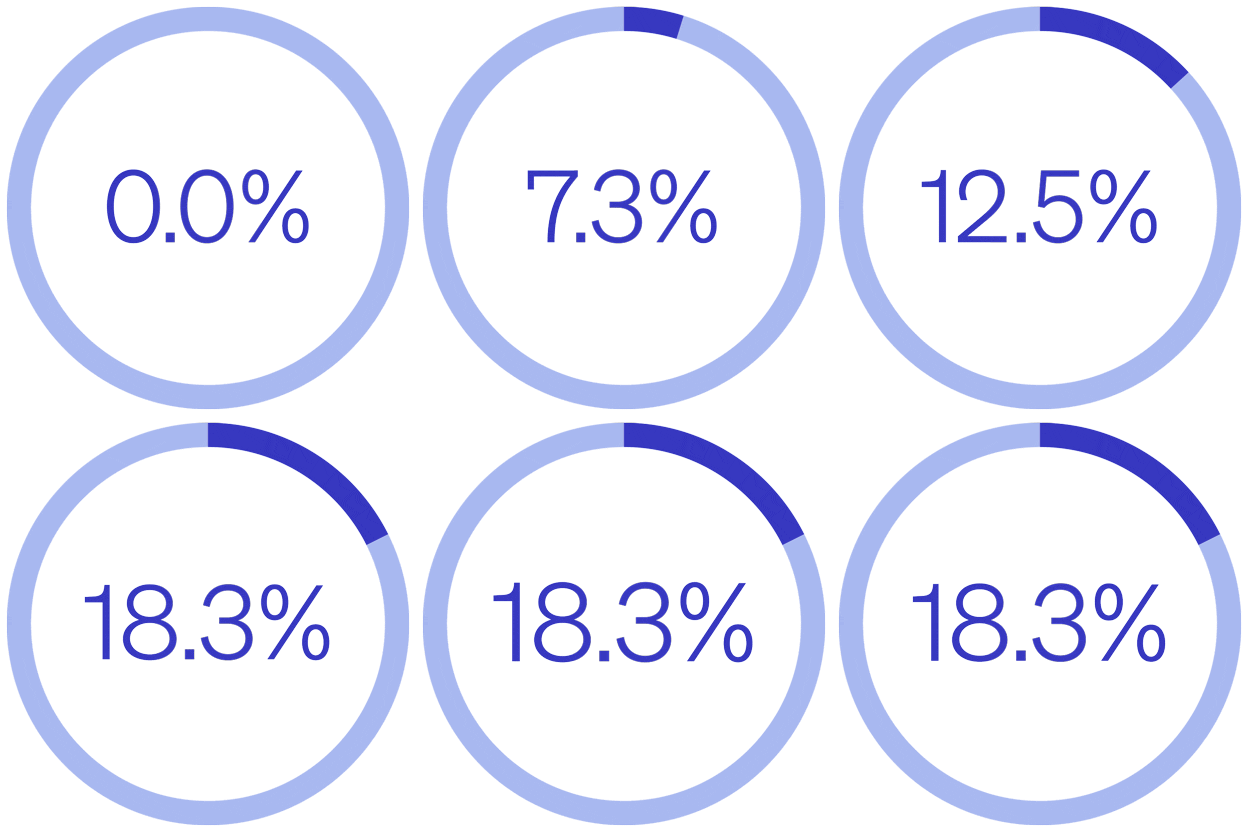
Daily symptoms

Non-daily symptoms1,2

Patients may struggle to self-identify arrhythmias based on symptoms
Arrhythmias are often asymptomatic.
Symptoms can point to many conditions, not just arrhythmias. 14-day monitoring helps reveal what’s happening.
Most actionable arrhythmias were detected beyond 48 hours1
Frequent symptoms may not be a good proxy for selection of monitoring duration, and clinically meaningful events may be missed beyond the standard 48-hour monitoring window. 14-day monitoring may help capture arrhythmias that short-term monitoring can miss.
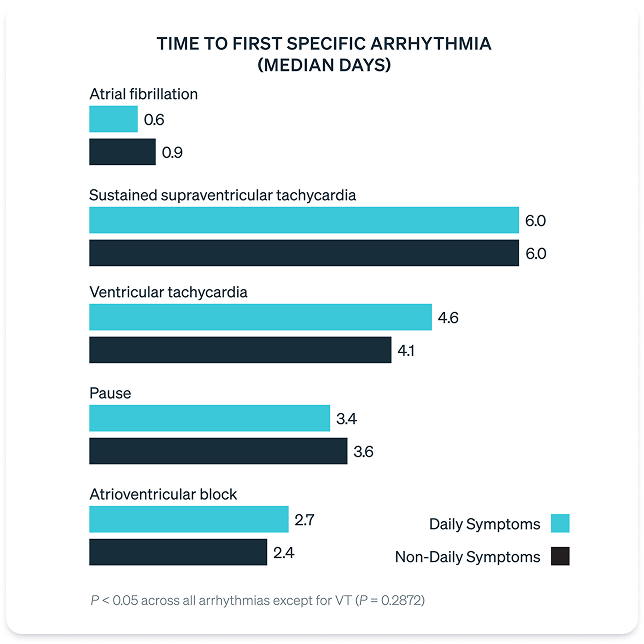
Across most arrhythmia types, the median time to detection exceeded 48 hours
Median time to actionable arrhythmia detection was 3.5 days in patients with daily symptoms vs 3.0 days in patients with non-daily symptoms.
Median detection times for paused supraventricular tachycardia (SVT), ventricular tachycardia (VT), and atrioventricular block (AVB) ranged from 2.4 to 6.0 days.
Clinical and healthcare system implications
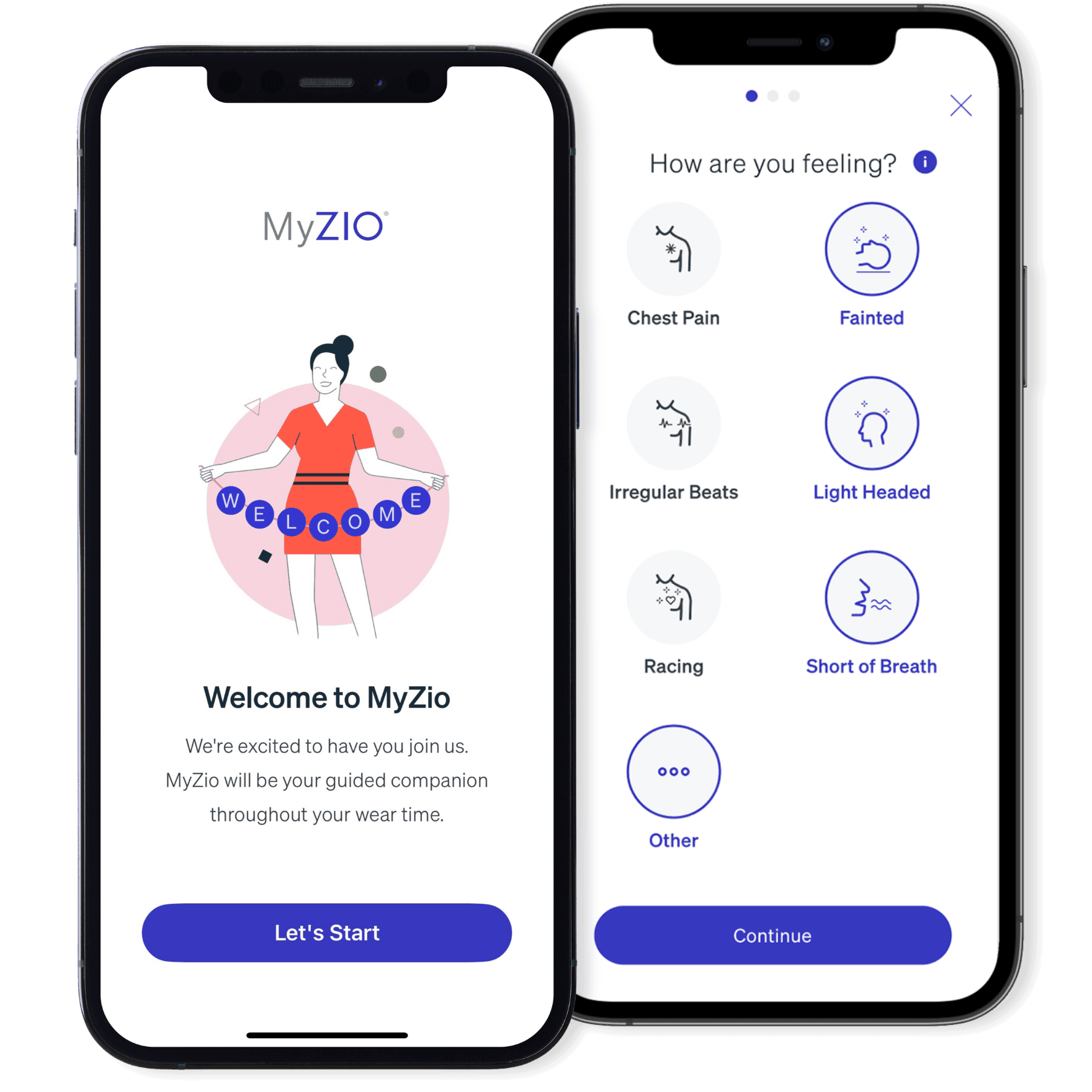
Benefits of using the MyZio mobile app
Patients using the MyZio app were 4.3x more likely to record at least one symptom during an arrhythmia compared to patients using a paper log booklet.17
Encourage your patients to use MyZio symptom tracking app to log symptoms, receive timely notifications and get answers to their questions right at their fingertips.
Download the app today on iOS or Android.
Continue the conversation

- Battisti et al. Relationship of Symptom Frequency and Symptom-Rhythm Correlation to Arrhythmia Type and Time to Detection: Insights from Ambulatory ECG Monitoring in Over 1 Million Patients. Heart Rhythm. 2025;S1547-5271(25)03049-8.
- The Zio ECG monitor is intended to capture symptomatic and asymptomatic cardiac events in a continuous electrocardiogram record for (up to 14 days of) long-term monitoring. Preliminary findings in the Zio report are intended to be used by clinicians as an aid in arrhythmia diagnosis and management. The prescribing healthcare professional is responsible for determining the clinical relevance of any symptoms in relation to arrhythmia findings.
- Steinberg et al. 2017 ISHNE-HRS expert consensus statement on ambulatory ECG and external cardiac monitoring/telemetry. Heart Rhythm. 2017;14(7):e55-e96.
- Frommeyer et al. Panic attacks and supraventricular tachycardias: the chicken or the egg? Neth Heart J. 2013;21(2):74-7.
- American Diabetes Association. “Signs, Symptoms and Treatment for Hypoglycemia (low blood glucose)” https://diabetes.org/living-with-diabetes/hypoglycemia-low-blood-glucose/symptoms-treatment. Accessed June 18, 2026.
- Fass et al. Noncardiac chest pain: epidemiology, natural course and pathogenesis. J Neurogastroenterol Motil. 2011;17(2):110-23.
- Web MD, “What’s the Link Between Afib and Thyroid Disease?” https://www.webmd.com/heart-disease/atrial-fibrillation/afib-thyroid-disease-link. Accessed June 18, 2026.
- Web MD Website. “Conditions that look like Afib”. https://www.webmd.com/heart-disease/atrial-fibrillation/conditions-that-look-like-afib. Accessed June 18, 2026.
- Michigan University Health. “When chest pain isn’t a heart attack.” https://www.michiganmedicine.org/health-lab/when-chest-pain-isnt-heart-attack Accessed June 18, 2026.
- Russo et al. Assessment of variation in ambulatory cardiac monitoring among commercially insured patients. Am J Manag Care. 2026;32(2):65-73.
- Reynolds MR, et al. Comparative effectiveness and healthcare utilization for ambulatory cardiac monitoring strategies in Medicare beneficiaries. Am Heart J. 2024;269:25-34.
- The Zio LTCM service facilitates a diagnosis as determined by a physician.
- In AVALON, Arrhythmias were defined by a panel of clinical experts and study investigators. In CAMELOT, a specified arrhythmia refers to an arrhythmia encounter diagnosis as per Hierarchical Condition Categories (HCC) 96.
- The study is based on the previous generation Zio XT device data. The devices used in the Zio LTCM monitoring service are deemed substantially equivalent. Additional data on file.
- Zio LTCM service refers to Zio XT and Zio monitor service.
- Hendrickson et al. Cardiac Ambulatory Monitoring and Hospital Quality (CAMELOT IQ): Strategies for Reducing Length of Stay and Readmissions. J Health Med. 2025. Published online Sept 29, 2025. DOI:10.36648/ipctn.11.1.150.
- iRhythm Data on File, 2024.
MAT-0030-1